Your Team

Meet the Surgical Team

The leadership of the Plastic Surgery & Aesthetics Medical Center at Chongqing West District Hospital — specialists in aesthetic and reconstructive surgery, skin and laser care, and dermatology — working inside a tertiary general hospital with its anaesthetic, laboratory, blood-bank and intensive-care services.

Specialist Profiles

The four leads of the surgical team

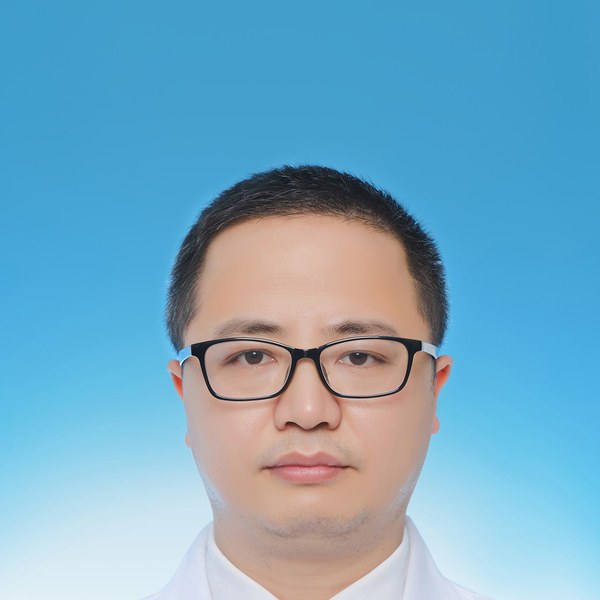
Tongchun Mao, MD

Tongchun Mao, MD (毛彤春)

Deputy Director & Head of Aesthetic Services · Lead for Pre-Operative Assessment · Vice Chief Physician, Licensed Aesthetic Attending

Pre-operative assessment · surgical planning · facial surgery

Dr. Tongchun Mao is Deputy Director of the Plastic Surgery & Aesthetics Medical Center at Chongqing West District Hospital and the physician who reviews the patient education on this site. He leads the pre-operative assessment for the centre: the structured review of medical history, medicines, healing risk and expectations that decides what has to happen before an operation can safely go ahead. A core specialist formerly at the plastic and aesthetic surgery department of Xinqiao Hospital, affiliated with Army Medical University, he has rooted his clinical practice for more than 20 years and personally performs over 700 operations a year.

His practice covers detailed facial surgery, facial rejuvenation and surgical contouring, and body contouring. His consistent principle is the one this site is built on: the assessment comes before the decision to operate, the plan changes only what the findings justify, and the honest limits of an operation — including the possibility of a postponement — are stated before the patient commits rather than afterwards.

Clinical focus

  • Pre-operative assessment and shared decision-making before facial surgery
  • Detailed facial surgery (eyelid, nose, chin, lip), including repair of previous surgery
  • Facial rejuvenation and surgical facial contouring
  • Perioperative planning for patients whose medical conditions affect healing
  • FUE hair transplantation and body contouring

Academic roles & achievements

  • Member, Rhinoplasty and Trunk Tumor Groups, Chinese Medical Association Plastic Surgery Branch
  • Member, Chongqing Medical Aesthetics Quality Control Center; Member, Chongqing Medical Accident / Disability Assessment Expert Pools
  • Deputy Chair, Chongqing Shapingba District Medical Aesthetics Committee
  • Published 5 SCI papers, holds 7 national patents, and has participated in 4 research projects
  • Repeatedly named an "Outstanding Young Physician" at Xinqiao Hospital since joining in 2005

The assessment decides the plan

Two people can be booked for the same operation and need two different preparations, because their medicines, their healing risk and their general health are never the same combination. The assessment comes first; what has to change before the day follows from it.
Shaoliang Wang, MD

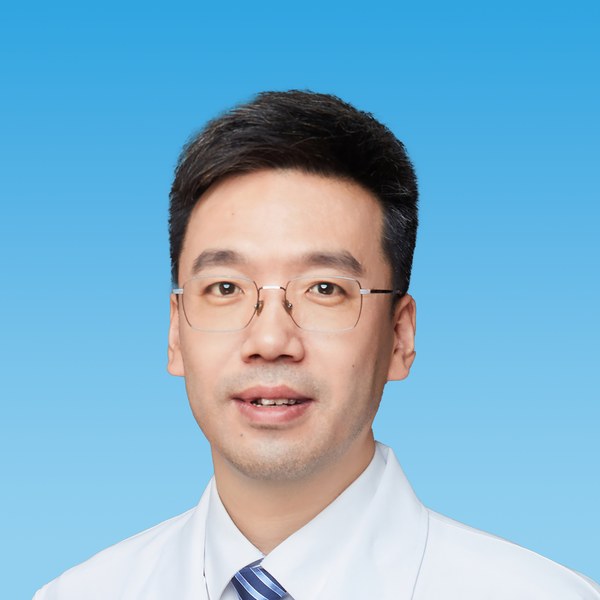
Shaoliang Wang, MD (王韶亮)

Director, Plastic Surgery & Aesthetics Medical Center · Vice Chief Physician, Associate Professor, Doctor of Medicine

Plastic surgery · revision · complex repair

Dr. Shaoliang Wang is Director of the Plastic Surgery & Aesthetics Medical Center at Chongqing West District Hospital. He previously served as deputy chief of plastic and aesthetic surgery at Xinqiao Hospital, affiliated with Army Medical University, and brings more than two decades of tertiary-hospital surgical experience to his practice.

Within the team he is the surgical backstop and the judgement of last resort: revision of failed operations that began anywhere, excision of skin tumours, complex wound repair, and the decision that an operation should not proceed. Twenty years of tertiary-hospital surgery inform every opinion he gives, including the ones that decline to operate — and he is often the person who says, on the morning of surgery, that the safest course is to wait.

Clinical focus

  • Surgical removal of skin tumors with margin control and layered cosmetic closure
  • Excision and repair of moles, cysts, and other superficial lesions
  • Scar revision and comprehensive scar management after burns and trauma
  • Repair of failed aesthetic operations from elsewhere (revision and reconstruction)
  • Complex wound repair and tertiary-hospital surgical support for dermatologic cases

Academic roles & achievements

  • Member, Craniofacial Surgery Group, Chinese Medical Association Plastic Surgery Branch
  • Deputy Chair, Chongqing Medical Aesthetics & Beauty Committee
  • Standing Committee Member, Chongqing Medical Doctor Association Plastic Surgery Branch
  • Expert Panel, Chongqing Aesthetic Surgery Quality Control Center
  • Developed a new endoscope- and water-jet-assisted technique for removing injected polyacrylamide (Aomingding) breast filler; awarded the Wang Liangneng Cup Military Excellent Scientific Paper Award
  • Principal investigator on an international cooperation sub-project, a Chongqing Natural Science Foundation grant, and a Third Military Medical University technology-transfer project; published 4 SCI papers and holds 8 national invention patents

A hospital-based advantage

When a wound needs more than a dressing, or a complication needs theatre-level care, the operating room, anaesthesiology, the laboratory and intensive care are already in the same building. Practicing inside a tertiary general hospital means that backstop is real rather than theoretical.

Ke He, MD

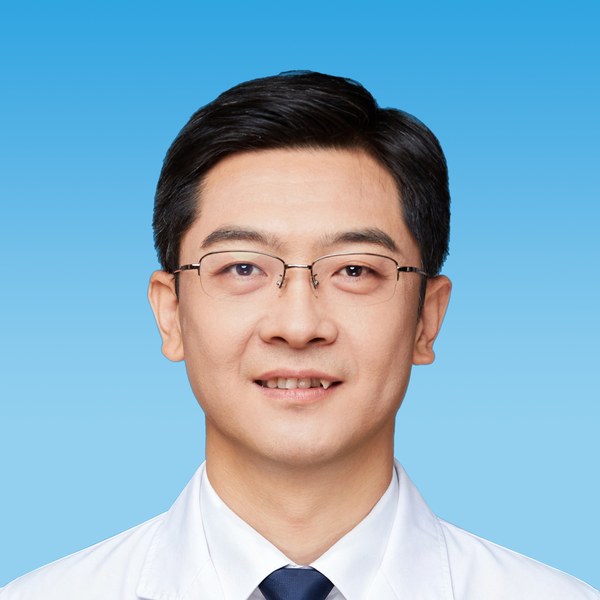
Ke He, MD (何锞)

Deputy Director & Head of Skin & Laser Aesthetics · Attending Physician, Licensed Aesthetic Attending

Skin & laser aesthetics · the skin-quality foundation

Dr. Ke He is Deputy Director of the Plastic Surgery & Aesthetics Medical Center and head of its skin and laser aesthetic service at Chongqing West District Hospital. A core specialist formerly at the plastic and aesthetic surgery department of Xinqiao Hospital, affiliated with Army Medical University, she has worked on the clinical front line in skin laser and aesthetic dermatology for more than 20 years, serving over ten thousand patients.

Within the team she leads the skin side of preparation: the barrier work and the control of active skin disease that come before an operation, and the laser-based scar and pigment aftercare that comes after it. Her argument is simple — every operation passes through the skin, so the skin is prepared first and managed last.

Clinical focus

  • Pre-operative skin preparation: barrier repair and control of active skin disease
  • Early scar prevention and repair: silicone, pressure, injection, and laser protocols
  • Pigment conditions: freckles, melasma, age spots, nevus of Ota, and post-inflammatory pigment
  • Acne and acne scarring; refined treatment of eyelid-margin moles, milia, and syringoma
  • Vascular conditions and full-cycle hair management

Academic roles & achievements

  • Member, Laser Medicine Group, Chinese Medical Association Plastic Surgery Branch
  • Member, Facial Rejuvenation Group, Chinese Medical Association Plastic Surgery Branch
  • Member, Chongqing Plastic Surgery Quality Control Center
  • Published 5 papers, holds 5 national patents, and introduced 2 new clinical techniques

The skin is the foundation

Barrier function decides how skin tolerates a procedure, dermal quality decides how it heals, and pigment behaviour decides how a scar looks at six months. Preparing the skin is not the warm-up act of an operation; it is the part that most reliably changes how everything else reads.

Yongbo Jia, MD

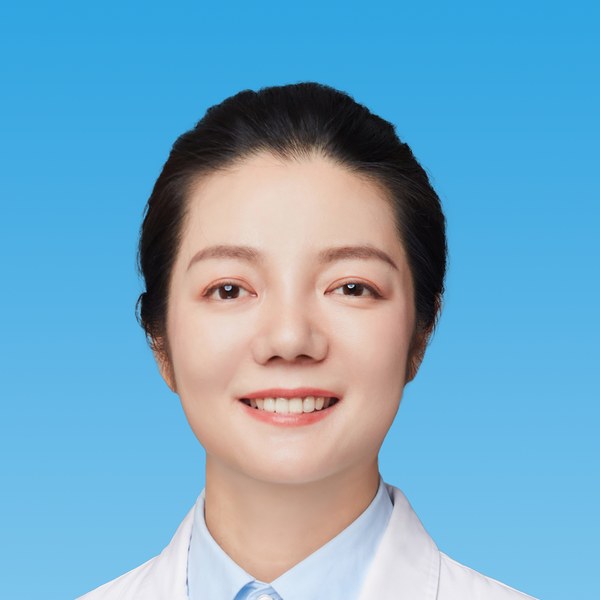
Yongbo Jia, MD (贾勇波)

Deputy Director & Head of Dermatology · Vice Chief Physician, Licensed Aesthetic Attending

Dermatology · skin health around an operation

Dr. Yongbo Jia is Deputy Director of the Plastic Surgery & Aesthetics Medical Center and head of its dermatology service at Chongqing West District Hospital. A vice chief physician and licensed aesthetic attending, he graduated from Chengdu University of Traditional Chinese Medicine and trained in dermatology at the Institute of Dermatology, Chinese Academy of Medical Sciences, and at Chongqing Hospital of Traditional Chinese Medicine.

Within the team he is responsible for the medical condition of the skin: identifying and treating anything that would interfere with wound healing before an operation, controlling pigment and barrier afterwards, and protecting the result. Good surgery on unhealthy skin heals poorly, and he is the person who says so.

Clinical focus

  • Pre-operative skin assessment and treatment of conditions that affect wound healing
  • Comprehensive pigment management: melasma, freckles, sun spots, café-au-lait, and age spots
  • Postoperative scar and pigment care
  • Hair and scalp conditions, including hair loss and hair transplantation
  • Aesthetic excision of superficial moles, cysts, and haemangiomas; refined cosmetic stitching

Academic roles & achievements

  • Member, Jiusan Society
  • Member, Chongqing Integrative Medicine Skin & Beauty Committee
  • Advanced training at the Institute of Dermatology (Chinese Academy of Medical Sciences) and Chongqing Hospital of Traditional Chinese Medicine

Diagnosis first

Many wound problems trace back to skin that was never in a fit state to be operated through. Getting the diagnosis right, treating it before the operation, and staying with the plan afterwards is what quietly produces a result — and what keeps preparation honest at each review.

Start with the assessment, not the date

Reach out to arrange a pre-operative assessment. We will explain which tests you need and why, go through every medicine and supplement you take, and set out what has to happen before the operation can safely go ahead. If something needs to change first, we would rather find it now than on the morning of surgery.

Book a Pre-Operative Assessment